


How an Integrated DC EV Charging & Battery Swapping Solution Powers Zero-Carbon Industrial Parks
As the global push for net-zero emissions intensifies, industrial hubs, logistics parks, and high-tech zones are under mounting pressure to decarbonize. Given that the industrial sector is a major consumer of global energy, transitioning away from traditional transport fleets heavily reliant on fossil fuels has become a critical priority for sustainable operations.
So, how do we bridge this gap? Integrating zero-carbon EV charging and battery swapping solutions is proving to be the most efficient path forward. By optimizing energy structures and minimizing carbon footprints, these technologies are doing more than just going green—they are unlocking new commercial value for businesses navigating the energy transition.
The Core Challenges of Fleet Electrification in Industrial Parks
Let’s be clear: shifting to electric vehicles (EVs) isn’t just about plugging in a cord. Behind the scenes, fleet managers and commercial park operators are consistently running into four stubborn roadblocks:
- Diverse Charging Requirements: Logistics parks are far from uniform; they operate a complex ecosystem of vehicles ranging from electric forklifts and last-mile delivery trikes to light-duty commercial trucks, corporate shuttle buses, and employee private cars. With such a wide variety of machinery on the ground, relying on a single, standard charging speed simply cannot keep up with these varied operational tempos.
- Severe Peak-Load Grid Pressure: When multiple high-power chargers operate simultaneously during peak hours, they place an immense strain on the local electrical grid. This surge doesn’t just risk causing blackouts; it triggers exorbitant demand charges that can severely inflate operational costs for industrial hubs.
- Safety and Thermal Risks: When commercial vehicles cluster in high-density charging zones, the stakes for fire safety and real-time monitoring rise dramatically. The intense thermal buildup from tightly packed batteries demands proactive safety measures—failure to meet these strict requirements can lead to catastrophic incidents and severe regulatory penalties.
- Rising O&M Overhead: Without an intelligent energy management system in place, volatile Time-of-Use (ToU) electricity tariffs can quickly spiral operational and maintenance (O&M) costs out of control. Park operators are left exposed to unpredictable peak pricing, making it increasingly difficult to maintain cost-effective and efficient charging infrastructure.
HB Smart Solution: Integrated EV Charging and Battery Swapping Infrastructure
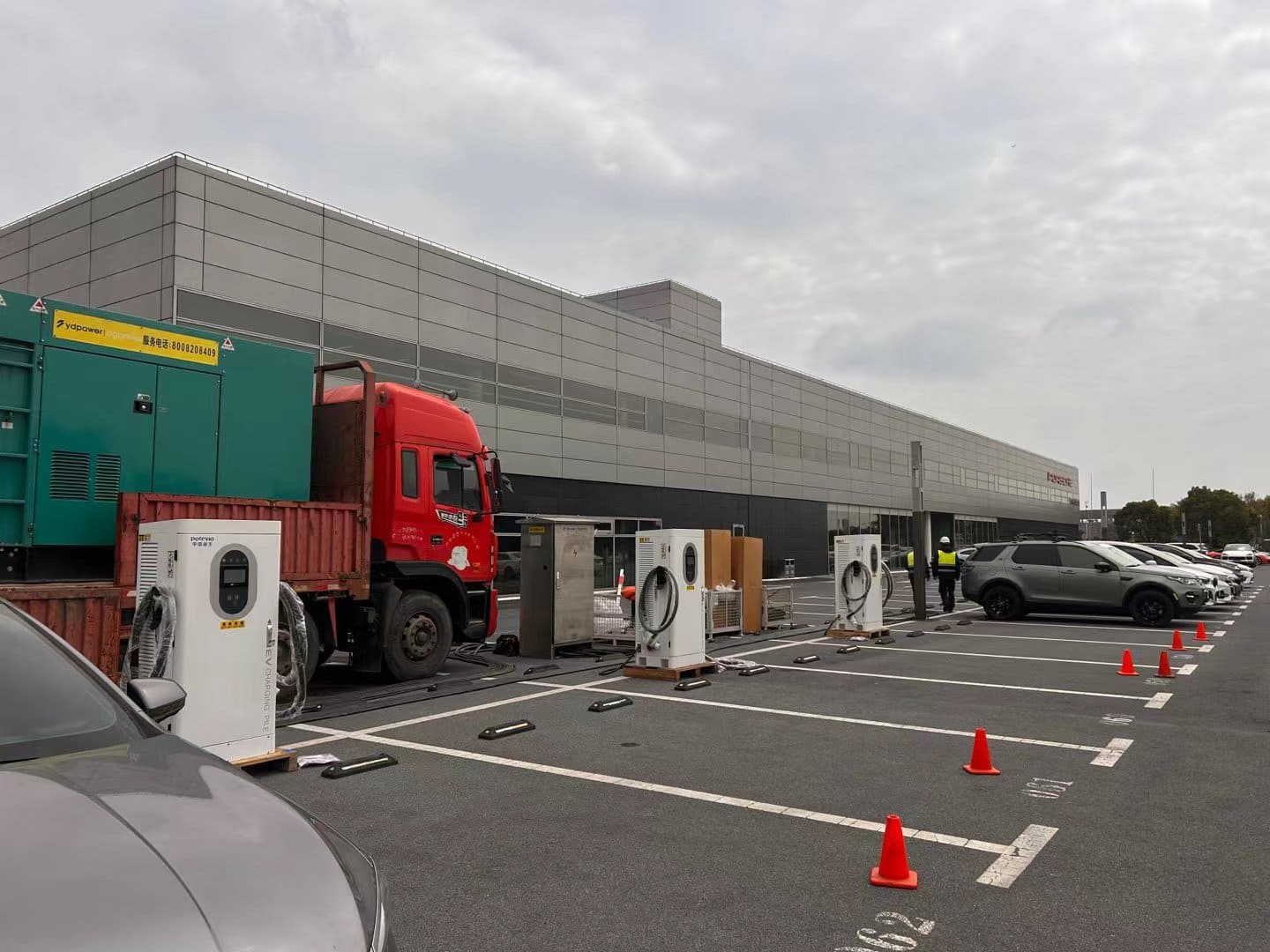
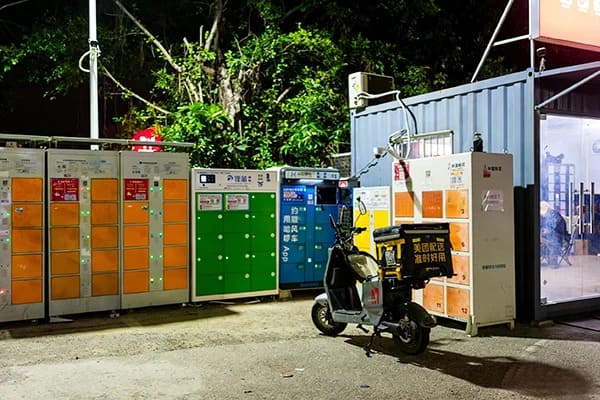
The future of green industrial park infrastructure lies in a hybrid ecosystem that combines the speed of battery swapping cabinets with the versatility of smart EV charging piles.
1. Dual-Mode Powering for Uninterrupted Workflows
By deployed a combined system, industrial parks can segment their fleet energy replenishment strategically:
| Replenishment Mode | Target Vehicle / Fleet Type | Core Advantages |
| Smart Battery Swapping Cabinets | Electric forklifts, AGVs, e-trikes, light logistics vans | 30-second rapid swap; Zero waiting time; Modular 4-30 compartment expansion. |
| High-Power EV Charging Piles | Corporate shuttles, heavy trucks, employee private EVs | 60kW-120kW DC Fast Charging; 30 mins to 80% SoC; Multi-channel configurations. |
2. Solar-Storage-Charging Microgrid (Green Energy Integration)
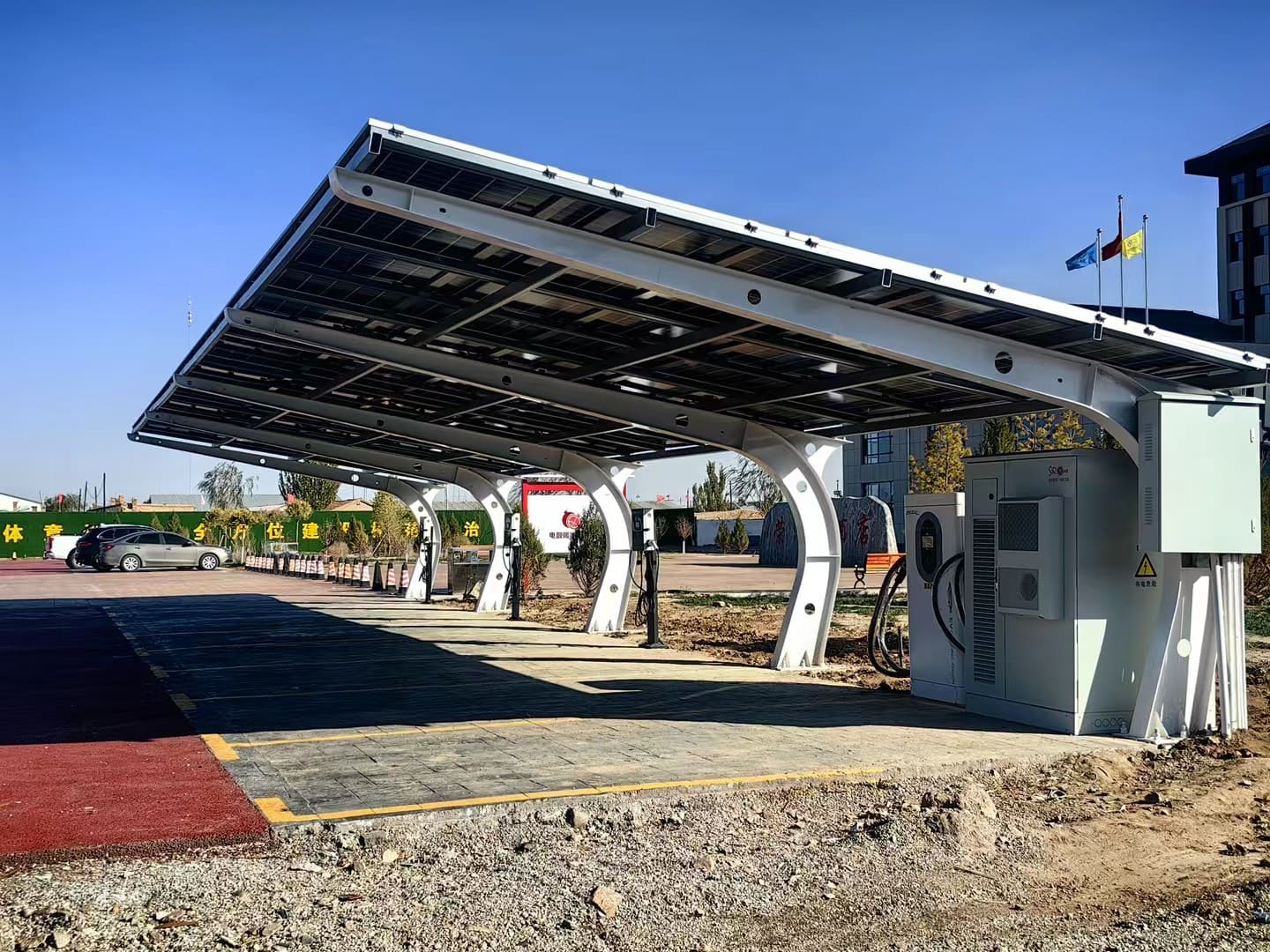
A truly zero-carbon EV charging solution must go beyond the grid. By coupling rooftop solar photovoltaics (PV) with Battery Energy Storage Systems (BESS), parks can achieve a self-sustaining microgrid:
- 90%+ Carbon Reduction: Prioritizes localized green electricity, minimizing reliance on fossil-fuel-heavy grid power.
- 40% Energy Cost Savings: Utilizing intelligent IoT platforms, the system automatically triggers peak-shaving and valley-filling—storing cheap off-peak power and discharging it during peak rate hours.
3. All-Scenario Industrial Safety & Remote O&M
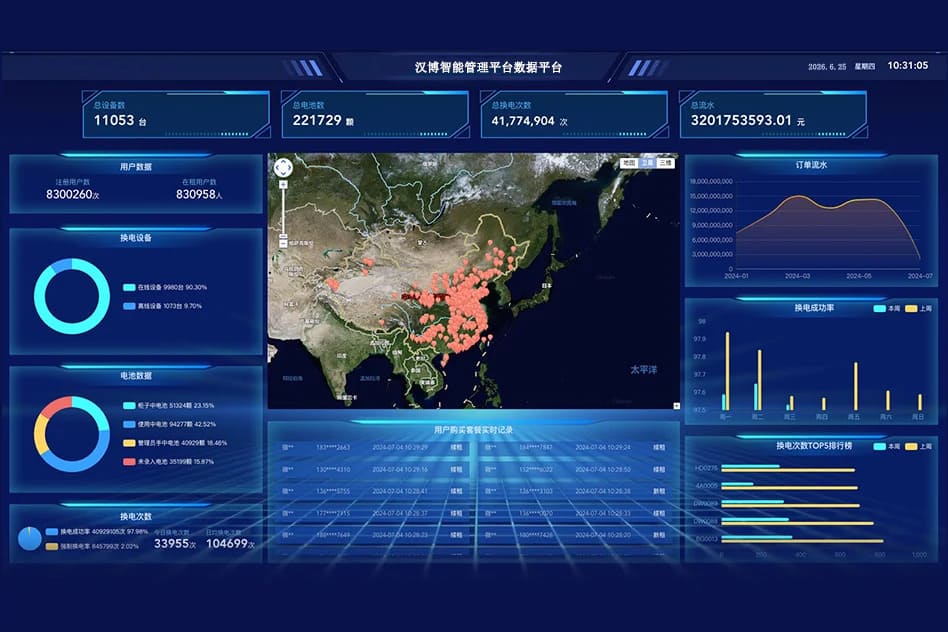
Industrial environments demand ruggedized hardware. Modern infrastructure features IP54-rated protection, automated fire suppression units, and intelligent temperature control. Driven by advanced Cloud IoT Management Platforms, operators gain multi-tier safeguards:
- Millisecond-Level Fault Detection: Real-time monitoring of cell voltage, current, and temperature with automated safety shutdowns.
- Visualized Energy Tracking: Precise tracking of energy consumption and fleet carbon reduction datasets, feeding directly into corporate ESG and carbon accounting reports.
Real-World Case Study: Transforming a Logistics Hub in the Pearl River Delta
A premier logistics park in South China successfully deployed our integrated charging & swapping microgrid to tackle its heavy inner-station logistics demands.
- The Infrastructure Layout: Installed a 10-compartment smart battery swapping cabinet alongside an 8-channel DC fast-charging station, supporting 50+ electric forklifts and 20+ heavy commuters.
- The Microgrid Setup: Integrated a 50kW solar carport with a 200kWh energy storage system, pushing localized green energy utilization to 75%.
- The Proven Results: The project achieved an annual carbon reduction of 1,200 tons, cut fleet energy expenses by 52%, and shortened the total investment payback period to just 22 months.
3-Step Implementation Pathway to a Green Industrial Park
Building an automated, eco-friendly energy network is highly scalable and budget-friendly when executed with a clear roadmap:
- Site Assessment & Customization: Conduct rigorous on-site load evaluation and fleet duty-cycle analysis to determine the optimal ratio of swapping cabinets to fast-piles.
- Rapid Deployment: Modern modular systems require zero massive transformer overhauls, allowing turnkey deployment within 45 days with highly competitive initial capex.
- Smart Monetization: Connect the system to a global cloud platform to enable multi-tenant billing, fleet priority scheduling, and even digital out-of-home (DOOH) advertising on charging screens for secondary revenue.
Conclusion: Driving the Future of Industrial Green Mobility
The integration of EV charging and battery swapping stations is no longer just a sustainable checkbox—it is a vital financial and operational strategy for modern industrial parks. By fusing hardware reliability with smart IoT platforms, park operators can successfully eliminate high energy bills, slash carbon footprints, and future-proof their commercial assets against shifting climate regulations.
Are you looking to optimize your industrial park’s energy infrastructure? [Contact our technical engineering team today] for a free site evaluation and tailored zero-carbon deployment layout.